“Ad Astra Per Aspera”—through hardship to the stars. This ancient motto is not just a saying, but a life story.
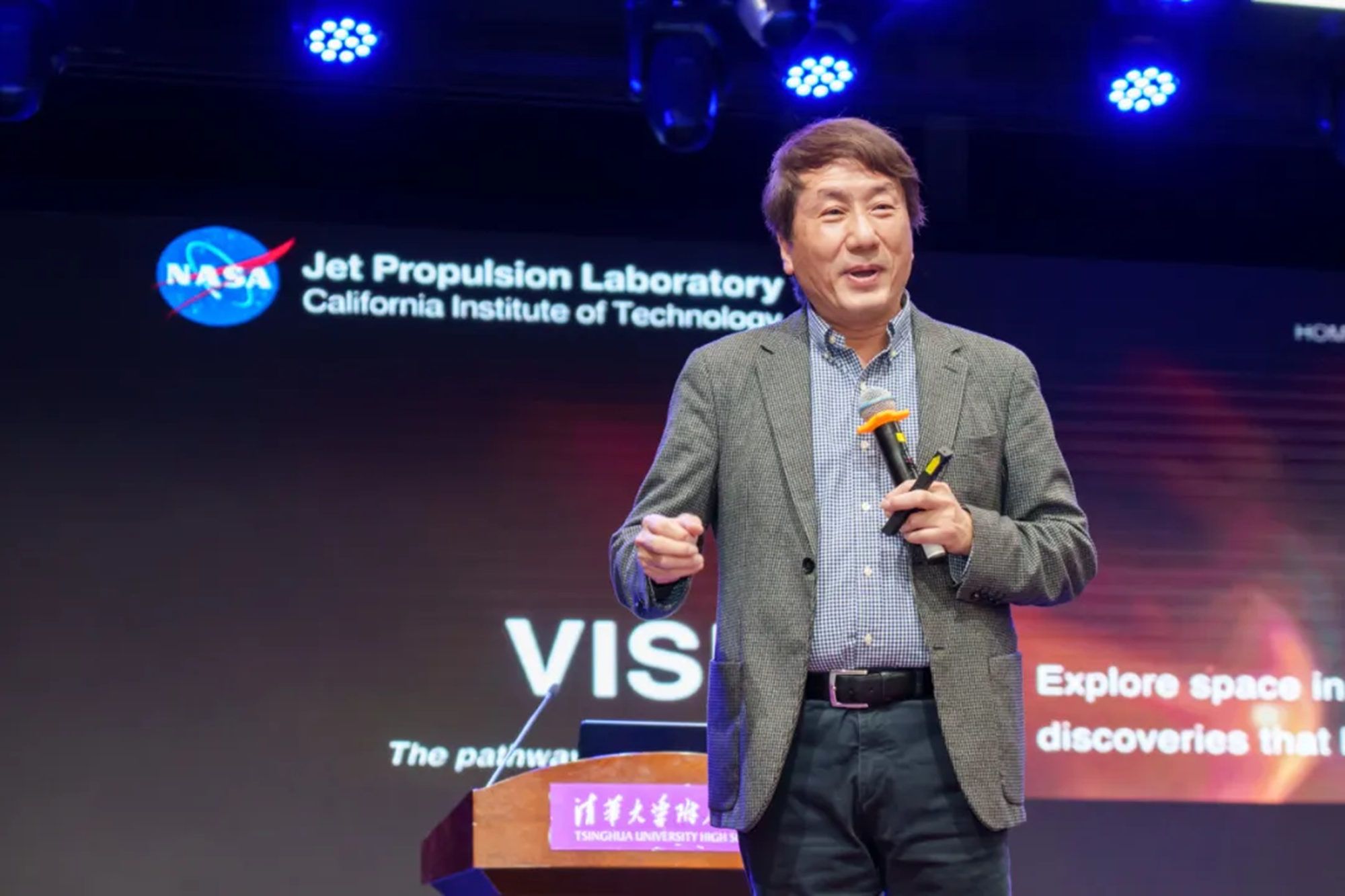
On April 1, 2026, Dr. Jonathan H. Jiang, a senior research scientist at Caltech Jet Propulsion Laboratory (JPL), delivered a profound lecture to THIS secondary students and faculty. Sharing his personal journey, he explored the meaning of exploration, failure, and humanity’s future among the stars.
About the Speaker: Dr. Jonathan H. Jiang
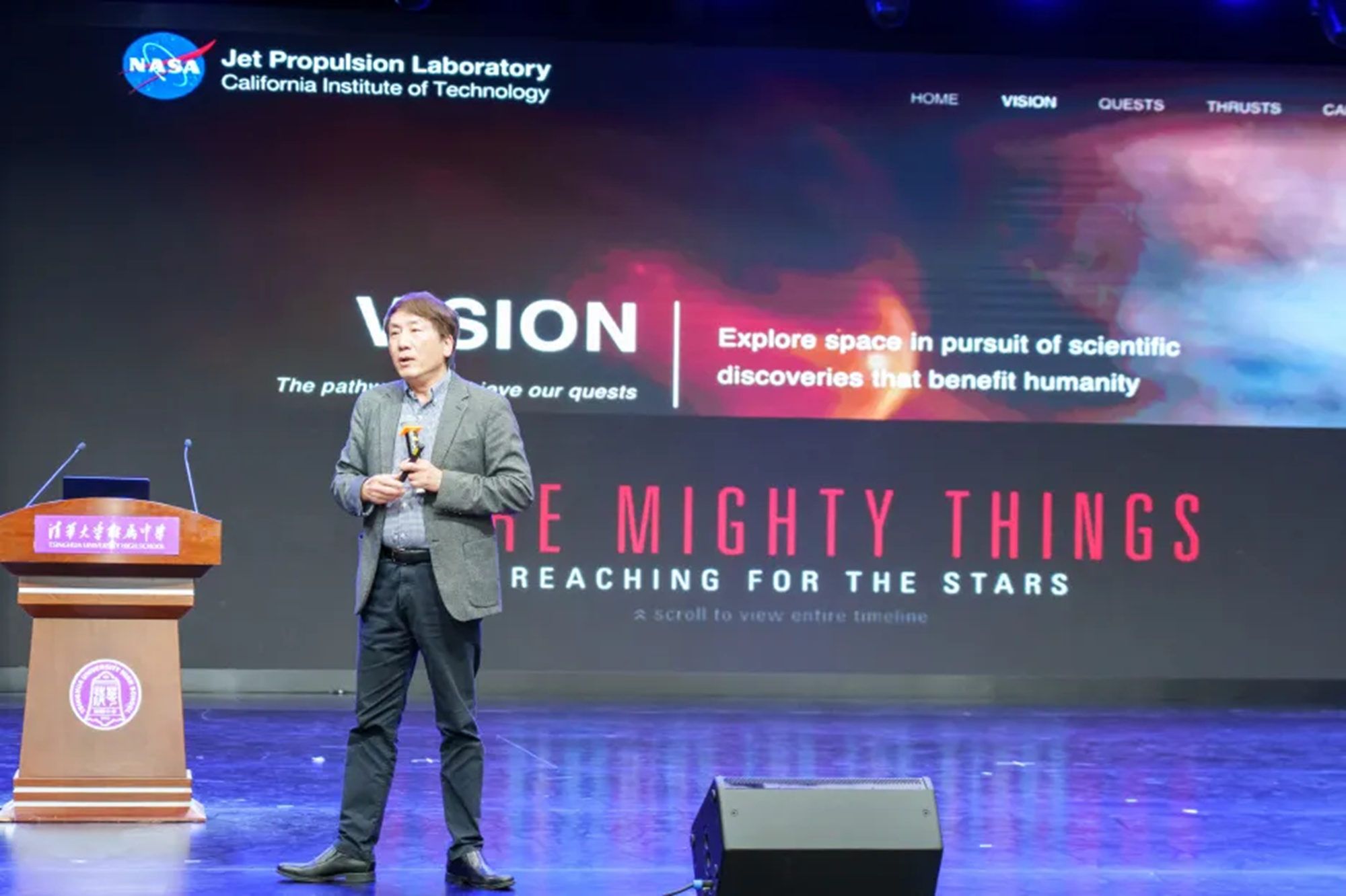
Dr. Jonathan H. Jiang is a Fellow of the American Meteorological Society and a former senior research scientist at Caltech Jet Propulsion Laboratory (JPL), California Institute of Technology, where he worked for over 25 years. His research spans Earth and planetary atmospheres, satellite remote sensing, climate change, and deep space exploration. He has published more than 300 papers.
Dr. Jiang served on the National Academies’ Committee on Human Exploration of Mars, contributing to the strategic framework for crewed Mars missions in the 2040s. He also led the “Galactic Beacon” project, an upgrade to the historic Arecibo Message, and is currently updating the Voyager Golden Record—humanity’s message to the cosmos.
Lecture Highlights:From Stargazing to the Stars
Dr. Jiang began with childhood memories of stargazing in Beijing. His father, an engineer, built a homemade telescope and camera, taking him to dark countryside sites to capture long-exposure photos of the night sky. That early fascination with the stars set him on a lifelong path in astrophysics.
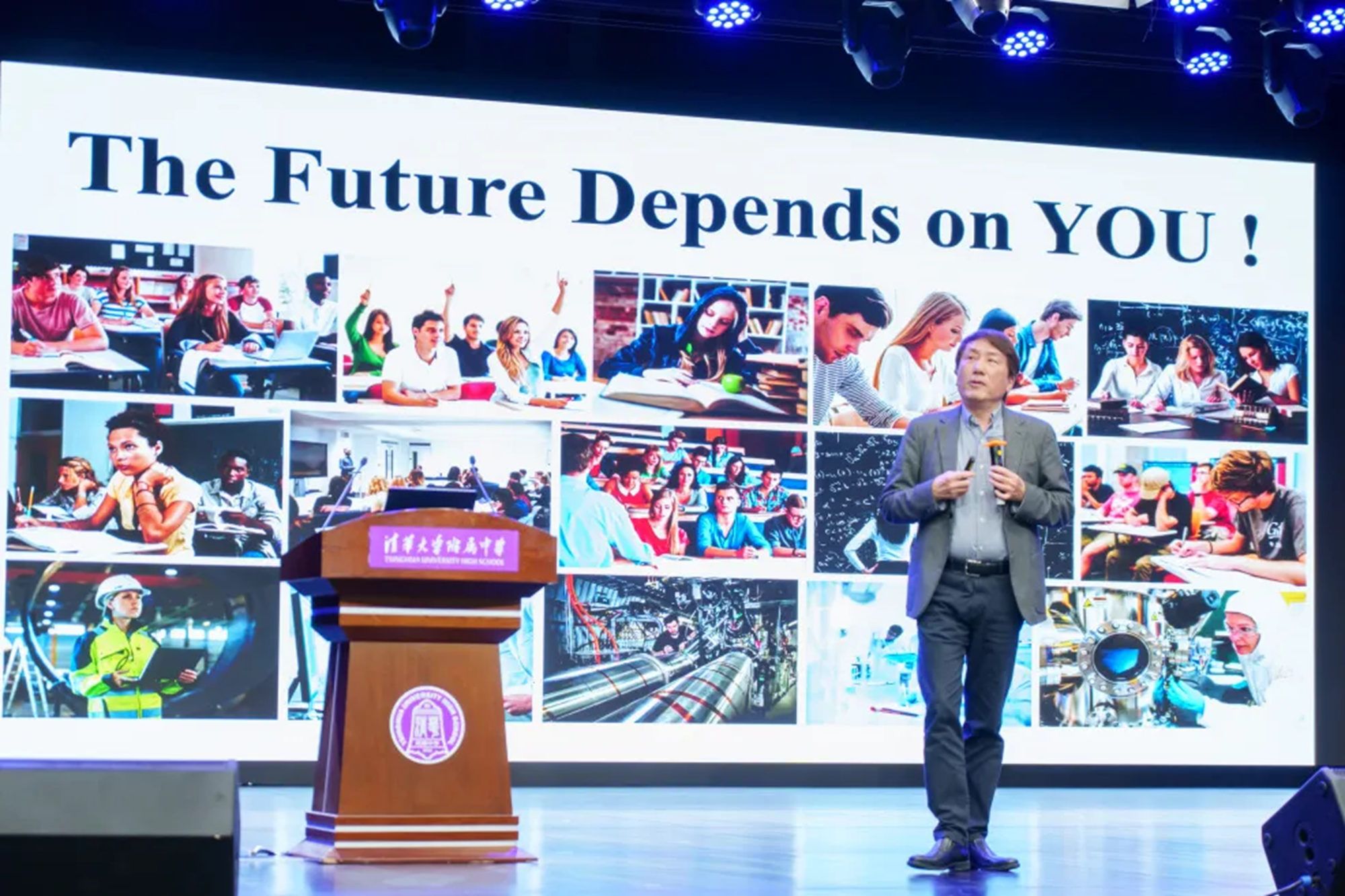
He traced his academic journey: from Beijing Normal University to graduate studies in Canada, and finally to Caltech and JPL. At JPL, he experienced mission failures firsthand—yet learned that in exploration, failure is not the opposite of success but a necessary step toward it. He emphasized that the culture at Caltech and JPL encourages tackling what no one has done before, without fear of setbacks.
Dr. Jiang reflected on the dual meaning of the Latin phrase. “Hardship” includes personal struggles, political turmoil, and the inevitable failures of scientific exploration. “The stars” represent not only celestial bodies but also freedom, prosperity, and the future of human civilization.
He argued that the future is not predetermined—it is shaped by each generation. Humanity now stands at a critical threshold: transitioning from a Type I civilization (in harmony with Earth) to a Type II civilization (in harmony with the solar system). Lunar bases, Martian cities, space elevators, rotating space hotels—these are not science fiction, but realistic goals for the coming decades.
According to Dr. Jiang, the greatest obstacles to space exploration are not technological, but human. Psychological resilience, social stability, economic models, cultural identity, and ethical decision-making are the true frontiers. While AI will replace many routine tasks, fields such as psychology, sociology, education, and public policy will grow in importance.
Dr. Jiang concluded his lecture with a heartfelt message: “I don’t just care about my own child. I care about every child. Because your generation will shape the future. In twenty years I will retire; in thirty years your teachers will retire. The future world will be run by you—you decide the future.”
Student Q&A
During the Q&A session, THIS students asked insightful questions. When asked what jobs AI would take over in spacecraft operations within the next decade, Dr. Jiang replied: repetitive tasks such as data processing, image analysis, and routine coding will be automated—but decision-makers, creative designers, and interdisciplinary coordinators will remain human roles.
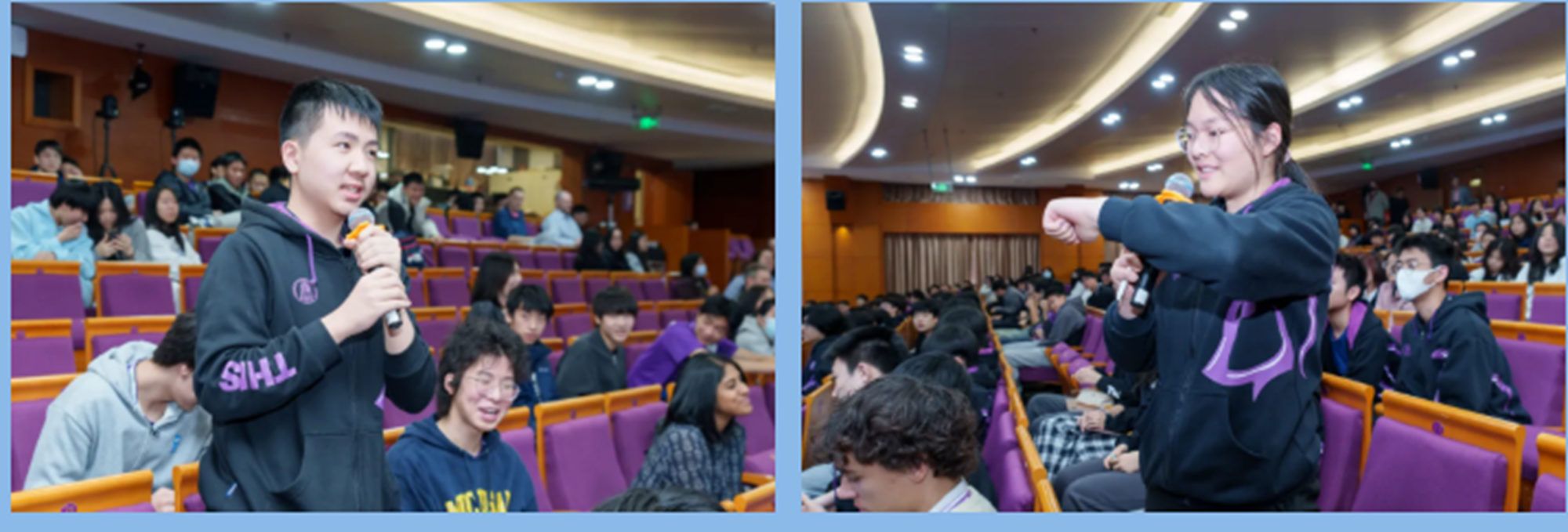
Another student raised concerns about AI development being driven primarily by profit. Dr. Jiang responded that AI itself is not the issue; the challenge lies in how we regulate it and ensure it serves humanity’s long-term interests rather than narrow commercial goals.
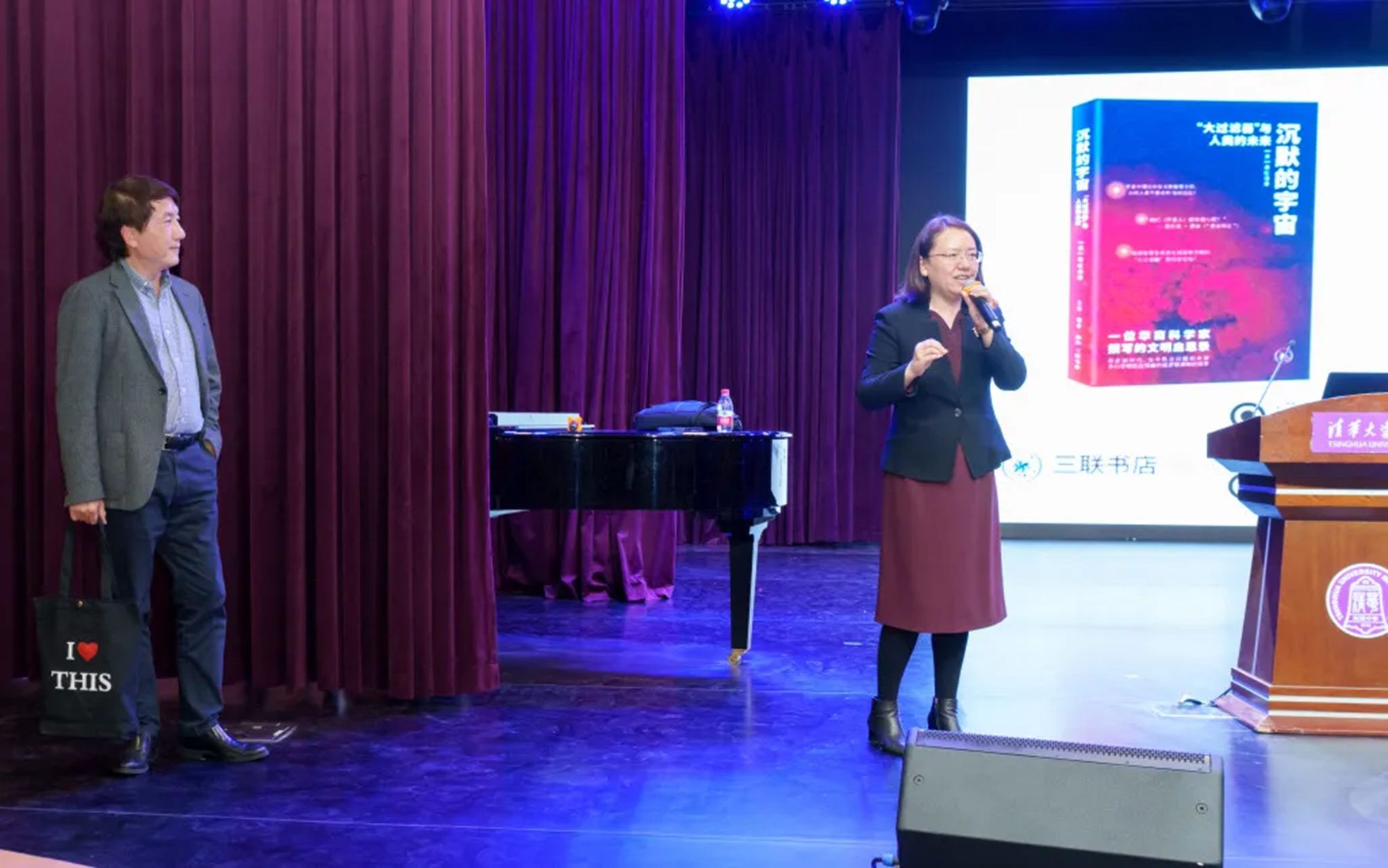
Ms. Ying Zhu, Executive Principal of THIS, expressed sincere gratitude to Dr. Jiang on behalf of the school. She noted that Dr. Jiang’s personal journey embodies the true meaning of “Ad Astra Per Aspera”—demonstrating the passion of a researcher for their work, as well as resilience in the face of failure and tremendous courage to explore the unknown. This serves as the greatest inspiration for our students!
The THIS Master Talk event came to a successful close amid warm applause. THIS students not only witnessed the remarkable achievements of a distinguished scientist, but also felt his resilience in the face of failure, his courage when confronting the unknown, and his deep hopes for the next generation.
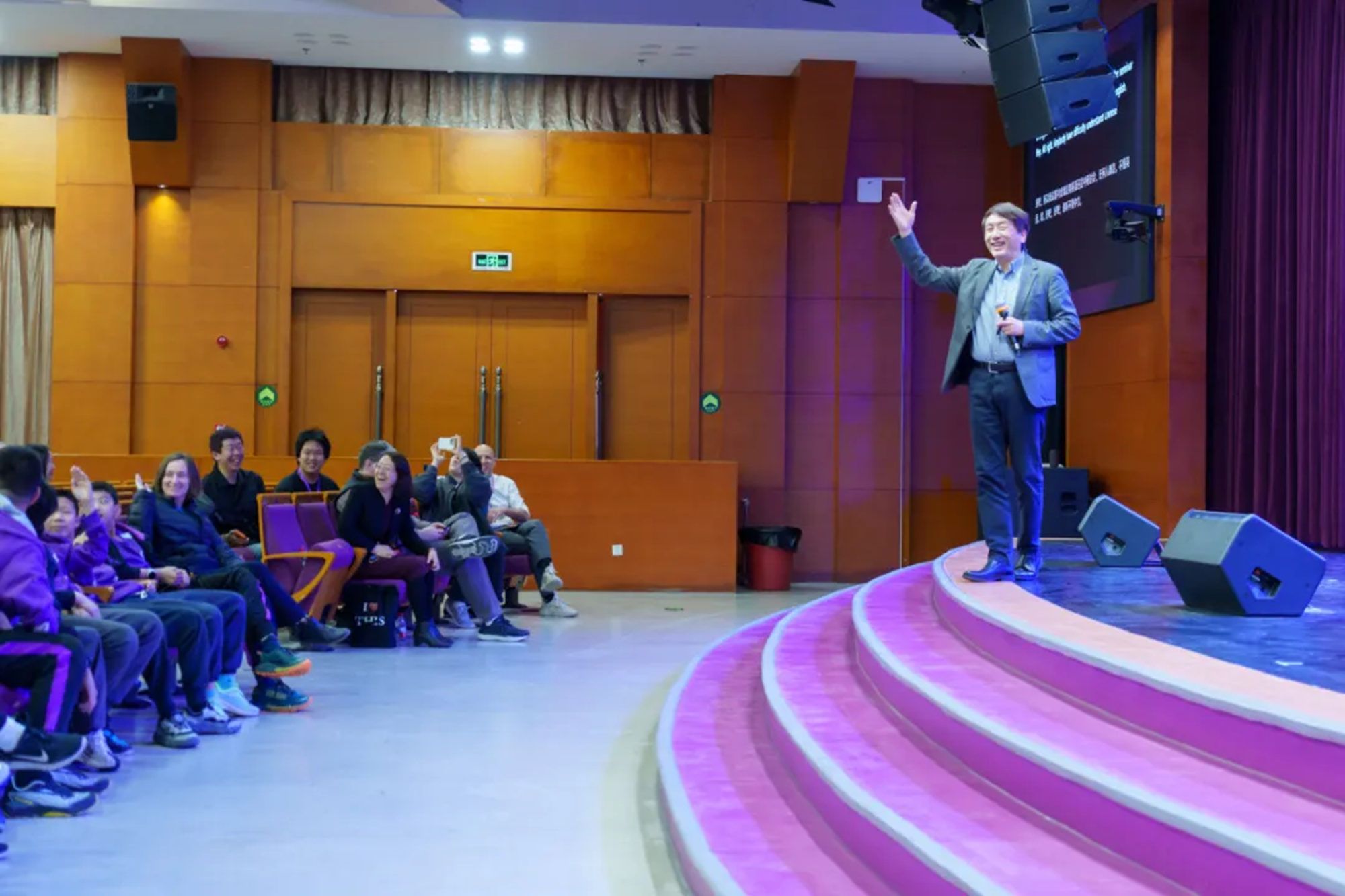
May our students carry with them the Latin motto “Ad Astra Per Aspera—through hardship to the stars." Do not fear making mistakes, do not shy away from difficulties. Dare to lead, strive for excellence, and one day, you too will reach your own sea of stars.